The Science of Personal Growth: Safely Expanding Your Comfort Zone
7-9 minute read
The goal: To learn how to use your comfort level to foster personal & professional development.
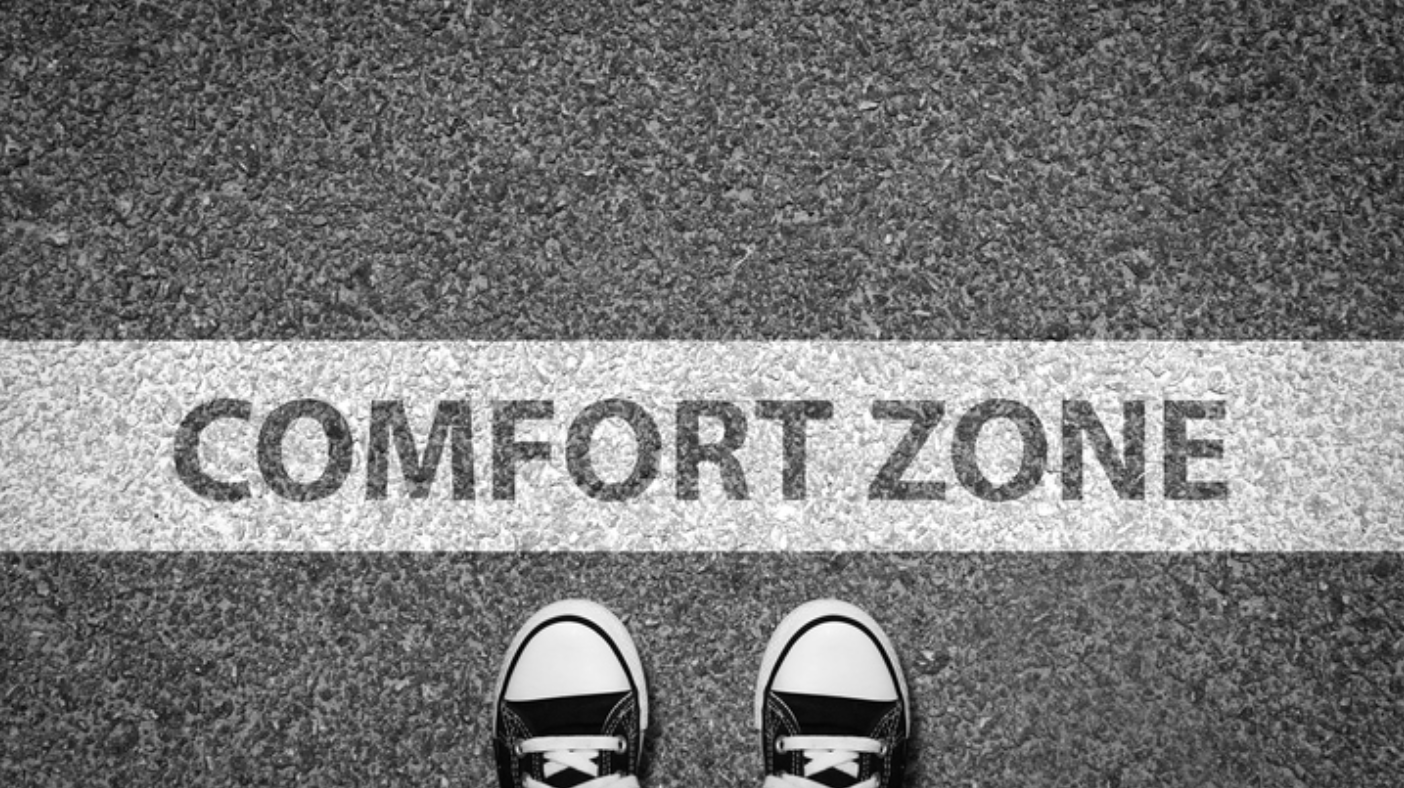
We’ve all heard the phrase, “Growing is supposed to be uncomfortable.” But what happens when that discomfort crosses the line into sheer panic?
When a challenge pushes you too far outside your comfort zone—into territory you’ve never navigated before or seen anyone successfully navigate—growth stops. Instead, your sympathetic nervous system kicks into a stress response, treating the situation as a literal threat. When you are trapped in this "panic zone," real learning and development completely shut down.
Consider a common workplace dilemma: you need to establish clear communication boundaries with your boss. Your attempts to prepare are constantly derailed by a chaotic environment of last-minute meeting invites, sudden cancellations, and unreturned emails. It has been impossible to do your job adequately within these limits. Yet, the thought of speaking up leads to an overpowering feeling of panic.
Trying to push yourself through that level of panic won't get you anywhere in the long-run. It will teach your body to want to avoid asking for your needs.
The good news is that you don't have to power through the panic. By understanding the limits of your nervous system, you can learn to pace your growth and avoid the pain.
In this article, we will explore the psychological zones of growth and learn actionable, safe strategies to expand your comfort zone.
Introduction to the learning zone model
The Learning Zone Model is a psychological model that illustrates how your nervous system responds to your unique experiences. Your nervous system is a vast network stretching across your entire body, constantly informing you of how you are connecting with yourself and your environment. Learning to listen to these signals is vital if you want to truly grow.
According to this model, your nervous system operates within three distinct fields: the Comfort Zone, the Growth Zone, and the Panic Zone. As you work to implement new habits or dismantle old behaviors, your body will actively shift between them.
The Comfort Zone: The Zone of Zero Internal Resistance
The Comfort Zone is the space where you do not experience any internal resistance to what is happening. You have executed these behaviors for so long that you can perform them with total ease. It is your default setting—the habits and choices you automatically fall back on.
In this zone, your nervous system is biologically calm.
However, comfort does not automatically mean healthy or enjoyable.
People can feel comfortable in situations that bring genuine relief and ease, like eating when you’re hungry or sitting down when your legs are sore. But we can also feel comfortable in situations that once caused immense stress, simply because we have endured them for so long that our nervous systems have completely habituated to them. For example, a person can feel comfortable while being treated poorly by a boss, or a worker can feel comfortable working 12 hours straight without taking a break.
Ultimately, comfort simply means your body is no longer resisting what is happening. Comfort is always easy, but not always good.
The Growth Zone: The Sweet Spot of Conscious Discomfort
You step into the Growth Zone whenever you attempt something new. Perhaps you are making an intentional decision to change your life, or perhaps your environment has shifted unexpectedly and you are forced to adapt.
Here, your nervous system is no longer entirely at ease, but it has not yet moved into a stressed survival state. You remain functional, but you are conscious of discomfort. This discomfort serves a vital biological purpose: it is an internal signal telling you to pay attention, slow down, and use caution. Because you are learning a new skill, you don't fully know what you are doing yet. The friction you feel is simply the scaffolding of building confidence.
It is important to note that no universal actions automatically trigger discomfort. What feels deeply uncomfortable for one person might sit squarely in another person's comfort zone. Everyone’s tolerance threshold is unique. If you chronically avoid new experiences, your capacity to handle discomfort will steadily diminish. Conversely, the more often you voluntarily step into new territory, the wider your tolerance becomes.
The real challenge of the Growth Zone is the inherent loss of total control. Anyone who struggles with control will likely feel a sense of powerlessness alongside their discomfort. However, this feeling can evaporate once you understand why it is happening. When you recognize the biology at play, you are no longer just blindly enduring life—you are making a conscious choice to evolve.
The Panic Zone: Where growth stops
The Panic Zone occurs when an action pushes you so far beyond your current capacity that your nervous system registers a threat. This internal crisis doesn’t always show on the outside. You might keep it entirely under wraps, masking your terror so you don't appear "weak" or "disordered" to others.
The Panic Zone is typically triggered when you attempt behaviors you have never done before, especially if those actions violate the expectations of your upbringing or the people around you. These moves often feel socially risky—such as setting a firm boundary with your boss.
When the raw discomfort of newness combines with a deep-seated fear of doing something "wrong", your sympathetic nervous system can completely take over.
You should never intentionally force yourself into this zone. Pushing your way through terror does not facilitate long-term psychological growth; it simply floods your body with toxic, unnecessary stress. In fact, the Panic Zone can inflict a traumatic level of stress, forcing you to get emotional repair before you are capable of doing that action again.
Three Tips on How to Safely Step Outside of Your Comfort Zone
Tip #1: Manage Your Growth Expectations
To expand your capacity for change without burning out, it’s important to treat your emotional energy as a finite resource. Use these four expectations to strategically pace your growth:
Know Your Current Tolerance: If you have spent a long time in your comfort zone, your tolerance for discomfort will naturally be low. Start by intentionally embracing just a few minutes of conscious discomfort each day related to a behavior and work your way up. Over time, your emotional resilience will adapt. Eventually, you can comfortably manage the growth required to navigate an entire workday. Conversely, if you get to a point where your work life is completely comfortable and automated, you will have much more energy left over to tackle discomfort in your personal life.
Treat Growth as Real Labor: When you understand the science of your nervous system, it is easy to believe you are strong enough to change everything at once. But expanding your zones is real, exhausting labor. You only have a finite amount of energy each day before your body demands restoration. Pick just one to a few specific areas of focus. Master those first. Only when those new behaviors start to feel effortless should you add a new challenge.
Expect to Hit the Panic Zone: Do not expect a flawless journey where you never feel panic. When you actively step outside your comfort zone, you might occasionally miscalculate and fall into the panic zone. The key is to have a proactive self-care plan so the experience doesn't cause lasting psychological damage.
Embrace the Fluidity of Your Zones: Your threshold for discomfort is never fixed; it is constantly shifting. A situation that once felt safe and comfortable can eventually stagnate or lead to problems that force you to do what is uncomfortable. Meanwhile, actions that once felt mildly uncomfortable—or even terrifying—can eventually become comfortable.
Tip #2: Become aware of your body’s signals
You’ll need to experiment to figure out how comfort, discomfort, and panic show up in your mind and body. Every body will experience nuance in how these sensations are felt, but here are some general guidelines that you can use as guideposts.
Comfort Zone - SAFE
Sensations: Your body is free from any fear. You might feel heavy or "stuck." Alternatively, you might feel grounded and confident. Actions require little active willpower or mental stamina.
Cognitive State: You are doing exactly what you already know how to do. The outcome is completely predictable.
Behavioral Habits: Procrastination runs high because you are actively defaulting to routines and the known.
Discomfort of the Growth Zone - SAFE
Sensations: You feel mild, manageable fear—often manifesting as "butterflies" in your stomach, slightly shaky hands, or a minor tremor in your voice. You might find it temporarily difficult to maintain steady eye contact.
Cognitive State: Even though your mind might whisper thoughts like, "I don't know what I'm doing," or "What is happening right now?," you still possess full awareness and control of your thoughts.
Behavioral Habits: Your voice remains at a normal, measured speed. You are able to deliberately pause, think critically, and choose your actions intentionally before you execute them.
Panic Zone - UNSAFE
Sensations: You feel intense, overpowering fear. Your entire body may visibly tremble, your chest might tighten, or if severe, you may begin to cry.
Cognitive State: You lose conscious control over your mind. Your internal awareness becomes entirely consumed by a desperate desire to make the terrifying feeling stop.
Speech Patterns: If you attempt to speak, your words might come out incredibly fast, scattered, or completely unintentional.
Behavioral Habits: Your system defaults to a pure survival state. You experience an overwhelming urge to completely shut down, dissociate, or physically run away from the situation.
You can use these signals as a real-time tracking system to pinpoint exactly where you are standing within the zones of growth. Learning to read these bodily indicators is absolutely vital for your personal evolution. It gives you the raw data you need to decide which actions require active management, allowing you to build intentional momentum.
Just as importantly, auditing your internal zones is the ultimate way to prevent burnout. When you treat growth as a conscious calculation rather than a chaotic struggle, you protect yourself and over time, can grow in any way you want.
Tip #3: Proactively Prepare for the Panic Zone
When you hit the Panic Zone, you may lose conscious control over your immediate reactions. However, by proactively planning your crisis response before you panic, you give your mind an accessible blueprint to recall. This preparation increases the odds that you can regain control and protect your well-being.
If you cross into the Panic Zone, you might be able to choose one of these three immediate coping strategies to de-escalate the stress response:
1. Implement Immediate Interventions
Take a Physical Break: If possible, immediately leave the room or environment. Retreat to a completely private space—like your own office or a bathroom stall—where you can self-soothe without fear of outside judgment.
Break Eye Contact: If you are trapped in a social setting or a meeting and cannot physically leave, look away. Put your head down and take notes on paper or your phone. Touch something with your hands, like a pen, and anchor your awareness on it. This will give you some privacy.
Label the Emotion: Quietly or mentally repeat the raw truth to yourself: "I feel fear. I feel fear. I feel fear." Continually naming the emotion anchors you into your nervous system and decreases the resistance to the fear. Your body might want to avoid this, but this emotion needs to be felt so that it can dissolve. Keep naming the feeling until you no longer feel fear.
2. Process and Repair the Incident
Once you are alone and have down time, take care of yourself. This could be later in the evening or the weekend. It’s whenever you have the time to fully focus on dedicating yourself to this incident.
If You Are Exhausted: Do something entirely passive where you do not have to move your body at all, such as sitting in a relaxing seat or taking a bath.
If You Are Restless: Engage in soothing, repetitive physical movements to discharge the energy, such as a slow, mindful walk.
Speak to a Safe Mirror: Talk through the event with a guide, yourself, or a trusted loved one who is willing to simply listen without judgment, assumptions, or unsolicited advice. This can help you to release any lingering emotions and make sense of what happened to you.
3. Design Low-Stakes Growth
When your nervous system has fully returned to a calm baseline and your energy stores are restored, do not give up. Instead, break the terrifying macro-event into a micro-dose of exposure.
For example, if you completely panicked while attempting to speak up about your concerns in a chaotic team meeting, do not try the meeting again right away. Instead, practice expressing the same concerns one-on-one to a trusted colleague who you know will receive you warmly. Learning to use your voice with someone who validates you builds the foundational confidence you need to eventually face an audience that might respond negatively.
The Bottom Line: Your Comfort Levels Matter
Your comfort levels are the compass for your personal fulfillment. Honoring the boundaries of your nervous system is not a sign of weakness; it is the ultimate act of self-respect. When you stop forcing yourself to do things that cause you to panic or shut down, you reclaim your agency.
True, safe, and sustainable growth begins the moment you stop rushing the finish line and learn how to mindfully navigate your unique zones of growth. This gives you the chance to define what success looks like on your own terms.
#SelfCareAtWork #WorkplaceWellness #WorkplaceBoundaries #ProfessionalGrowth #SelfAdvocacy
In the next article: We will unpack what it actually means to “keep things professional” at work. True professionalism does not mean silencing yourself or disregarding your identity; instead, it means managing bad habits, communicating clearly, and maintaining boundaries based on organizational goals and mutual respect rather than raw emotions or personal relationships. We will explore how to stop blindly modeling others so you can both be professional and stay in integrity at work.
AI Disclosure: I use AI tools to help proofread, edit, and add structure to my writing for clarity. However, all the ideas, insights, and content are 100% original and created by me.
